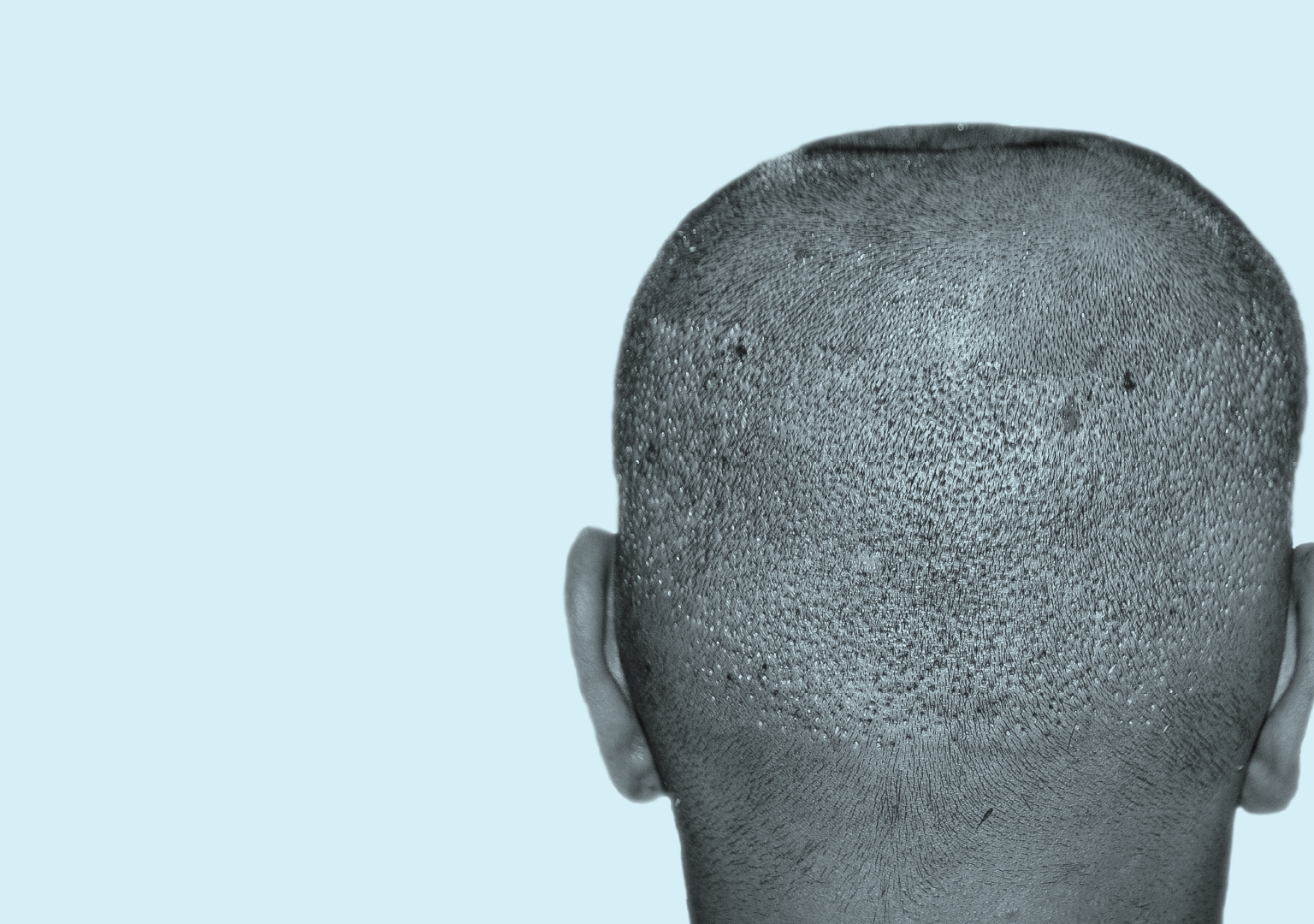
Scabs After Hair Transplant: When Should They Fall Off?
Seeing scabs after a hair transplant is a completely normal part of the hair transplant healing timeline.
However, many patients worry:
- “Are these scabs protecting the grafts?”
- “Should I remove them?”
- “What if they fall off too early?”
- “Do scabs mean something is wrong?”
Understanding why scabs form, when they typically shed and when you can touch a hair transplant helps reduce unnecessary concern during recovery.
Why Do Scabs Form After a Hair Transplant?
During a hair transplant procedure, tiny recipient sites are created in the scalp.
After placement:
- Small amounts of wound fluid and blood dry on the surface.
- Fibrin (a natural healing protein) forms.
- A protective crust develops over each graft.
These crusts are part of the body’s normal healing response.
Scabs do not mean something is wrong.
They are expected during the first week.
When Do Scabs Usually Appear?
Scabbing typically becomes noticeable between:
- Day 2–3: Crusting becomes visible.
- Day 3–5: Scabs are fully formed.
- Day 6–7: Scabs may begin loosening naturally.
The appearance can look dramatic, especially under bright lighting, but this stage is part of normal surface healing and the scabs vary from patient to patient.
When Should Scabs Fall Off?
In most uncomplicated cases:
- Scabs begin softening around Day 6–7.
- Many clinics begin guided scab removal protocols between Day 7–10.
- By Day 10–14, most surface crusting has naturally separated.
- Scabs should not be picked prematurely.
- Early or forceful removal may increase surface irritation.
Always follow your clinic’s specific washing and scab removal instructions.
Are Scabs Protecting the Grafts?
Scabs are part of surface healing, but they are not physically “holding” grafts in place.
Graft security develops beneath the surface through tissue integration and revascularisation.
By the time scabs begin shedding naturally (around Day 7–10), graft anchoring has typically progressed in uncomplicated cases.
(For more detail, see: When Are Hair Transplant Grafts Secure?)
What If Scabs Come Off Early?
If a scab separates naturally during gentle washing. This is usually not a cause for concern.
Surface crust separation does not automatically mean graft loss.
True graft dislodgement would typically involve:
- Fresh bleeding
- Noticeable discomfort
- Visible tissue attached to the hair
If you experience these signs, contact your clinic for reassurance.
In most cases, natural scab shedding is part of normal recovery.
Why Do Scabs Feel Tight or Itchy
Scabs can cause:
- Tightness
- Dryness
- Itching
- Mild pulling sensations
This occurs because:
- The skin is healing.
- Surface moisture balance changes.
- Re-epithelialisation is underway.
Itching during this stage is common and does not mean grafts are unstable.
Avoid scratching or picking.
Should You Remove Scabs Yourself?
Scabs should not be forcefully removed.
Most clinics recommend:
- Gentle washing according to their protocol.
- Allowing scabs to soften gradually.
- Light fingertip massage only when specifically advised.
Picking crusts with fingernails may irritate the scalp and increase inflammation.
Your surgeon’s guidance should always take priority.
What If Scabs Are Still Present After 10 Days?
In some individuals:
- Scabs may persist slightly longer.
- Redness may remain visible.
- Healing pace may vary depending on skin type and technique.
If crusting remains heavy beyond two weeks, contacting your clinic for guidance is appropriate.
Healing timelines vary between individuals.
How to Support Surface Healing
During the first 7–10 days:
- Follow your clinic’s washing schedule.
- Avoid aggressive rubbing.
- Maintain appropriate moisture balance.
- Avoid excessive sun exposure.
A calm, structured aftercare routine helps reduce avoidable disruption while the scalp completes early surface healing.
See our blog on How to wash your hair after a hair transplant for further guidance.
Summary
- Scabs are normal after a hair transplant.
- They typically appear between Day 2–3.
- Most scabs shed naturally between Day 7–10.
- Do not pick or force removal.
- Surface crust separation does not automatically mean graft loss.
If you are unsure about what you are seeing, your clinic should always be your first point of contact.
Most scabbing during the first week is part of normal recovery.