Redness After a Hair Transplant: How Long It Lasts and When It Fades
Redness is one of the most common things patients notice after a hair transplant.
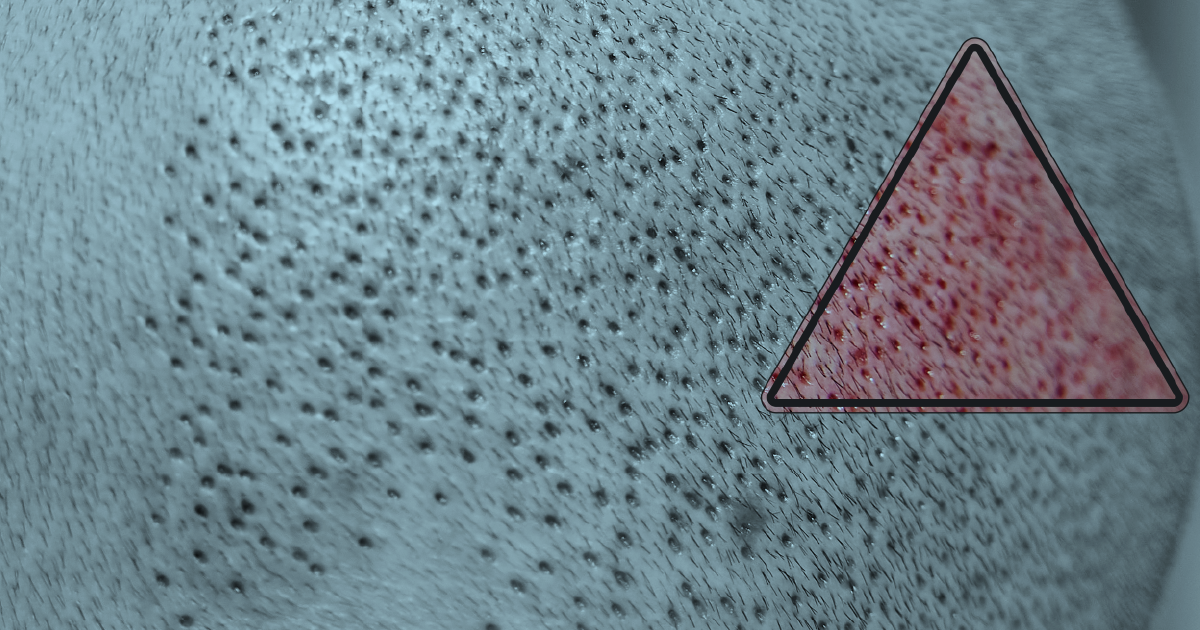
In the days following surgery, the scalp may appear pink or red in the areas where grafts were placed or where follicles were removed from the donor area. This is a normal part of the healing process as the skin begins to recover.
For most patients, the redness gradually fades as the scalp continues to heal.
Why Redness Happens After a Hair Transplant
During a hair transplant procedure, tiny incisions are made in the scalp to place the grafts.
As with any minor skin procedure, the body responds by increasing blood flow to the area to support healing. This increased circulation can make the scalp appear red or slightly inflamed.
In the early stages of recovery, redness may appear alongside other common signs of healing such as:
- small scabs
- mild swelling
- tightness or dryness
- occasional itching
You can read more about these early stages in the hair transplant healing timeline.
How Long Does Redness Last?
The duration of redness varies between individuals, but there are some general patterns.
First few days
Redness is usually most noticeable during the first 3–5 days.
First two weeks
For many patients, the redness begins to fade as the scabs fall away and the scalp surface heals.
Two to four weeks
In some people, mild redness may remain slightly visible for a few weeks while the skin continues to recover.
Factors That Can Affect Redness
Several factors can influence how long redness lasts.
Skin type
People with fair or sensitive skin may notice redness for longer.
Healing speed
Everyone’s healing process is slightly different, and some scalps simply take longer to settle.
Size of the procedure
Larger transplant sessions may create more visible redness during the early healing period.
When Does the Scalp Start to Look Normal Again?
As the healing process continues, the redness gradually fades and the scalp returns to a more natural colour.
This stage often overlaps with the period when transplanted hairs enter the shedding phase before new growth begins.
To understand this stage of recovery, see shock loss vs normal shedding after a hair transplant.
When Should Patients Be Concerned?
In most cases, redness is simply a sign that the scalp is healing.
However, patients should contact their clinic if redness is accompanied by:
- increasing pain
- unusual swelling
- discharge from the scalp
- signs of infection
Clinics can assess the scalp and provide guidance if anything unusual occurs.
Supporting a Comfortable Recovery
During the early stages of healing, it can help to follow the aftercare instructions provided by your clinic. This may include:
- gentle washing routines
- keeping the scalp hydrated
-
avoiding scratching or touching the grafts
You can read more about what not to do after a hair transplant in our recovery guides.
Redness Is Usually Temporary
Although it can feel concerning when the scalp appears red after surgery, it is usually a normal part of the healing process.
As the scalp continues to recover, the redness gradually fades and the focus of recovery shifts toward the next stage of the journey hair growth.
If you’re curious about when new hairs begin to appear, see when hair transplant results start to grow.