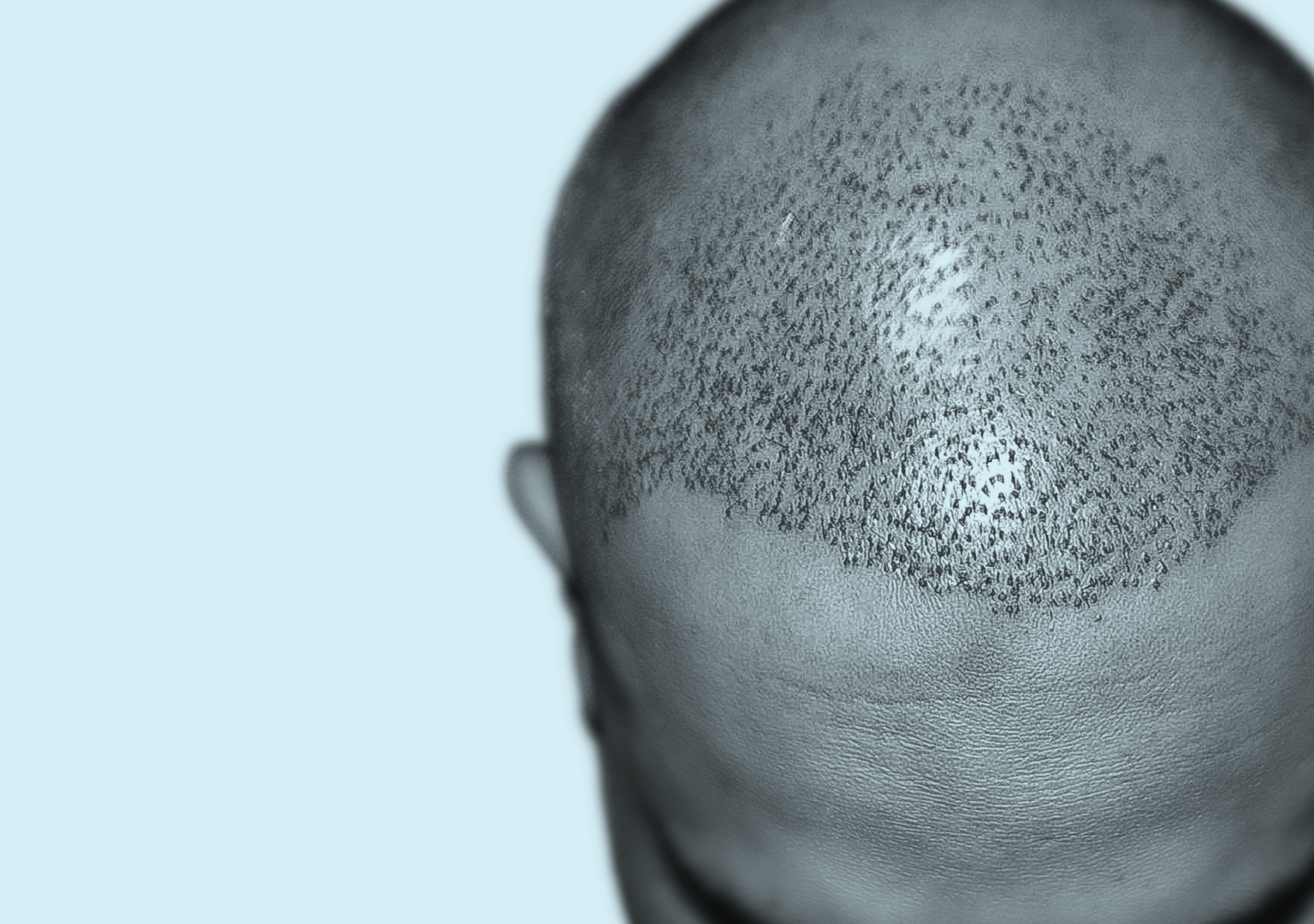
Itching After Hair Transplant: What’s Normal?
Itching after a hair transplant is one of the most common concerns during recovery.
Many patients ask:
- “Is this normal?”
- “How long will it last?”
- “Will scratching damage my grafts?”
- “When can you touch grafts?“
Understanding why itching happens and how to manage it safely can reduce unnecessary anxiety during the first few weeks.
Is Itching Normal After a Hair Transplant?
Yes. Mild to moderate itching is common during the early healing phase.
It typically begins between:
- Day 3–5 as scabs form and surface healing progresses.
- It may continue intermittently for 7–14 days.
- In some cases, mild itching can persist slightly longer as redness settles.
Itching alone does not indicate graft instability or graft loss.
Why Does Itching Happen?
Itching after a hair transplant usually occurs because the scalp is healing. Common causes include:
- Tiny recipient sites are healing
- Scabs are drying and tightening
- Re-epithelialisation (surface skin repair)
- The scalp’s moisture balance is adjusting
- Mild inflammation
These responses are part of normal wound healing.
The donor area may also feel itchy as extraction sites close.
Some patients also experience tightness and dryness after surgery, which can contribute to itching during the early healing phase.
Itching does not mean grafts are unstable. It is typically part of normal healing during the first 7–10 days.
When Is Itching Most Common?
Itching is often most noticeable:
- Between Day 4–10
- When scabs begin loosening
- If the scalp becomes dry
- In warm environments
This stage can feel uncomfortable, but it usually improves as surface crusting resolves.
Can Scratching Dislodge Grafts?
During the first few days (0–3), grafts are at their most vulnerable.
After Day 6–7, graft stability has generally progressed in uncomplicated cases.
However, scratching with fingernails during the first 7–10 days is not recommended.
Aggressive scratching may:
- Irritate healing skin
- Increase inflammation
- Disrupt surface crusts prematurely
If accidental light contact occurs after the first week, significant graft disruption is unlikely in uncomplicated cases.
How Long Does Itching Last?
For most individuals:
- Mild itching reduces significantly after scabs shed (around Day 7–10)
- Residual sensitivity may persist for 2–3 weeks
- Donor area itching may last slightly longer as extraction sites remodel
- Healing timelines vary between individuals
How to Manage Itching Safely
To reduce itching without scratching:
- Follow your clinic’s washing schedule
- Avoid picking or forceful scab removal
- Maintain appropriate moisture balance
- Avoid alcohol-based topical products
- Protect the scalp from excessive sun exposure
Some clinics may recommend specific soothing products or sprays as part of structured aftercare. Always follow your clinic’s guidance.
When Should You Contact Your Clinic?
Contact your clinic if itching is accompanied by:
- Significant swelling
- Persistent pain
- Spreading redness
- Discharge or unusual odour
- Fever
Mild itching alone is typically part of normal recovery.
Calm Perspective
Itching after a hair transplant is common and usually temporary.
It is often most noticeable between Day 4–10 as surface healing progresses.
Avoid scratching with fingernails, follow your clinic’s instructions, and allow the scalp time to complete early healing.
Most itching settles naturally as scabs after a hair transplant begin to fall away.