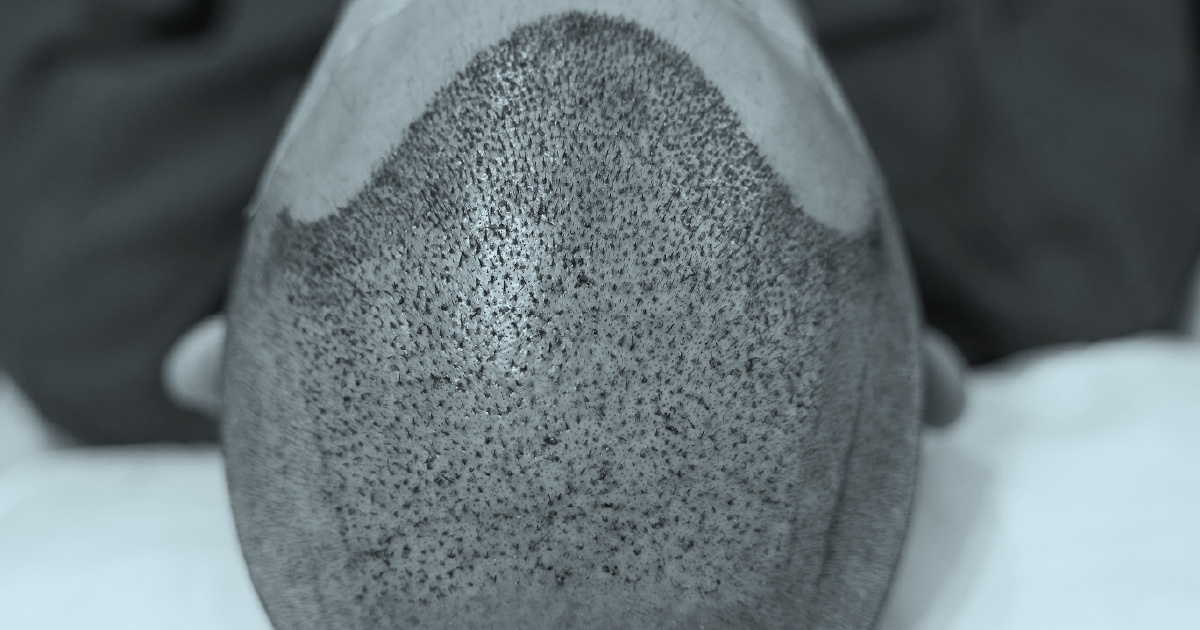
How to Sleep After a Hair Transplant: Positions, Pillows and the First 10 Nights
One of the most common questions patients ask after a hair transplant is:
“How should I sleep without disturbing the grafts?”
Sleeping during the first few nights can feel uncomfortable and unfamiliar. The scalp is sensitive, the grafts are still stabilising, and many patients worry about accidentally touching or rubbing the transplanted area during the night.
Understanding how to sleep safely during the early recovery period can help protect the grafts while your scalp begins its natural healing process.
Why Sleeping Position Matters
During the first few days after surgery, the transplanted grafts are still settling into the scalp.
Although they are carefully placed during the procedure, the body needs time to begin securing them through natural healing processes.
If the grafts are pressed, rubbed, or disturbed too early, there is a small risk they could be dislodged before they become stable.
This is why clinics usually recommend sleeping in a way that avoids touching the transplanted area during the first stage of recovery.
To understand when grafts become more stable, see when hair transplant grafts become secure.
The Best Sleeping Position After a Hair Transplant
Most clinics recommend sleeping on your back with your head elevated during the first few nights.
This position helps to:
- avoid contact with the grafts
- reduce pressure on the scalp
- minimise swelling
- support comfortable healing
Keeping your head elevated at approximately 30–45 degrees can also help reduce fluid movement that may cause swelling around the forehead or eyes.
Some patients find it helpful to use:
- two or three pillows
- a travel pillow around the neck
- a slightly upright reclining position
These can make it easier to stay on your back during sleep.
How Long Do You Need to Sleep This Way?
Sleeping carefully is usually recommended for the first 7–10 nights after surgery.
During this time:
Days 1–3
The grafts are most vulnerable.
Days 4–7
The grafts begin stabilising within the scalp.
Days 8–10
Surface healing continues and the grafts are usually much more secure.
You can read more about this in the hair transplant healing timeline.
Can You Sleep on Your Side?
Most surgeons recommend avoiding side sleeping during the first week.
Sleeping on the side can sometimes allow the transplanted area to rub against the pillow during the night, particularly if you move while asleep.
Once the grafts have stabilised and early healing has progressed, many patients can gradually return to their normal sleeping position.
Can You Sleep on Your Stomach?
Sleeping on your stomach should generally be avoided during the early recovery phase.
This position can place direct pressure on the transplanted area and may disturb the healing scalp.
Tips for Sleeping More Comfortably
The first few nights can feel unusual, especially if you are not used to sleeping on your back.
Some patients find the following helpful:
- using a neck pillow to prevent rolling
- placing pillows on either side of the body
- sleeping slightly upright
- keeping the room cool and comfortable
These small adjustments can make it easier to rest while protecting the grafts.
What If You Move in Your Sleep?
Many patients worry about accidentally moving during the night.
Fortunately, occasional movement during sleep is very common and rarely causes problems.
The scalp quickly begins forming a natural protective layer around the grafts during the early days of healing.
If you wake up and notice that you have shifted position, there is usually no need to panic. Simply return to the recommended sleeping position and continue your recovery routine.
Other Early Recovery Considerations
Sleeping position is only one part of early aftercare. Patients should also follow their clinic’s guidance for:
- washing the scalp
- keeping the grafts hydrated
- avoiding rubbing or scratching
- managing itching or tightness
You can read more about what not to do after a hair transplant and how to wash your hair after a hair transplant in our recovery guides.
The First Week Is Temporary
The early recovery period can feel cautious and unfamiliar, but it is relatively short.
Within the first week, most of the surface healing has already begun and the grafts become progressively more secure.
After this stage, patients usually find they can gradually return to their normal sleeping patterns as the scalp continues healing.